Choosing to enroll your child in martial arts can significantly impact their physical development and emotional well-being. Many parents wonder what age is suitable for their little ones to start participating in martial arts classes. This article aims to explore the ideal ages for children to begin martial arts training, the benefits of these classes tailored specifically for toddlers and preschoolers, and essential considerations for parents. Moreover, we will discuss how different martial arts styles can cater to young children and what parents can do to ensure a safe and enjoyable learning environment. By the end of this article, you'll have a clearer understanding of when to start martial arts and what to look for in a program.
What Is the Best Age to Start Martial Arts for Kids?
The best age for children to start martial arts is typically around four to six years. This age range is optimal because children are developing essential motor skills, coordination, and social interaction abilities. Early participation in martial arts can help enhance these foundational skills while also introducing them to discipline, respect, and teamwork. Different martial arts styles may have recommendations on starting ages, but generally, children's readiness and interest play a crucial role in determining the right time to begin.
At What Age Can Toddlers Begin Martial Arts Classes?
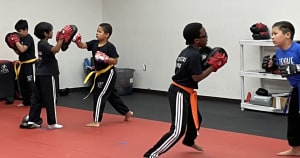
Toddlers can generally start martial arts classes as young as three years old. At this stage, classes are usually structured to accommodate their limited attention spans and developing physical skills. Many martial arts schools offer specially designed programs that focus on basic movements, balance, and coordination through fun games and activities. This approach not only keeps young children engaged but also develops their fondness for physical activity and group settings.
Which Martial Arts Styles Are Suitable for Preschool Age Groups?
Some of the most suitable martial arts styles for preschoolers include karate, taekwondo, and judo. Each of these styles offers unique benefits for young learners:
- Karate: Emphasizes discipline, balance, and basic self-defense techniques.
- Taekwondo: Focuses on kicking techniques and body awareness, enhancing flexibility and coordination.
- Judo: Teaches grappling and throwing techniques while promoting respect and safety.
Understanding the characteristics of each style can help parents select the one that aligns best with their child's interests and personality.
What Are the Physical and Emotional Benefits of Martial Arts for Preschoolers?
Martial arts provide numerous physical and emotional benefits for preschoolers, enhancing their overall growth and development. The physical aspect often includes improved coordination, balance, and fitness levels. Emotionally, martial arts instill confidence, self-discipline, and focus, qualities that young children will benefit from as they grow.
How Does Martial Arts Improve Motor Skills and Coordination in Young Children?
Martial arts training is particularly effective in improving motor skills and coordination among young children. The programs typically involve a mix of activities that require varying levels of body control which helps enhance their fine and gross motor skills. Practicing movements like punches, kicks, and jumps improves body awareness and coordination. This foundation can translate into better performance in other physical activities as the child develops.
In What Ways Does Martial Arts Build Confidence and Discipline for Kids Ages 3 to 5?
Martial arts teach children the value of discipline through structured learning environments where they practice regularly and learn to respect their instructors and peers. As they progress, the recognition and reward system in martial arts help boost their self-esteem and confidence. These skills and attributes are not only valuable in martial arts but also aid in various aspects of life, including academic environments and social interactions.
How Can Parents Ensure Safety When Starting Martial Arts for Toddlers?
Safety is paramount when it comes to children engaging in martial arts. Parents should take proactive steps to ensure that their child participates in a safe and constructive environment.
What Safety Measures Should Martial Arts Schools Implement for Young Children?
Martial arts schools should have established safety protocols that include supervision during lessons, child-friendly sparring practices, and age-appropriate training equipment. A thorough understanding of first aid and emergency protocols can also provide peace of mind for parents. Additionally, instructors should undergo training that specifically prepares them to work with young children, ensuring they know how to manage classes while prioritizing safety.
How to Assess Your Child’s Readiness for Martial Arts Training?
Assessing a child's readiness for martial arts training involves evaluating their physical ability, interest, and emotional maturity. Parents should ask themselves if their child is excited about the idea and willing to participate in structured activities. Observing how well they follow directions, interact with other children, and manage their emotions can also help inform whether they are ready to start classes.
How to Choose the Right Preschool Martial Arts Program?
Selecting the right martial arts program for preschool-age children is essential for fostering a positive experience.
What Qualifications Should Instructors Have for Teaching Toddlers?
Instructors teaching young children should possess specific qualifications, including certifications in martial arts instruction and experience working with preschoolers. Their ability to communicate effectively with children and a deep understanding of child development principles can make a significant difference in providing a supportive learning environment.
What Class Structures and Schedules Work Best for Ages 3 to 5?
For preschoolers, classes should be short, lighthearted, and engaging, often lasting about 30 to 45 minutes. Programs that incorporate games and diverse activities can maintain their interest levels. Parental involvement during classes could also be beneficial, fostering a sense of community and support.
What Are the Most Frequently Asked Questions About Starting Martial Arts for Young Children?
Parents often inquire about various aspects of introducing their children to martial arts.
What Is the Youngest Age a Child Can Start Karate Classes?
The youngest age a child can typically start karate classes is around three years old, although this can vary based on the school and the specific program offered.
Are Preschool Martial Arts Safe and Developmentally Appropriate?
Yes, preschool martial arts programs are designed to be safe and developmentally appropriate. By emphasizing fun while teaching essential skills in a controlled environment, martial arts can greatly benefit young children without compromising their safety.